أأداة ضبط الارتخاءيضبط شوط قضيب الدفع على 1.5-2 بوصة من أجل الكبح الآمن.
يؤدي ضبط الفرامل بشكل صحيح إلى منع الحوادث، وانقلاب السيارة، ومخالفات وزارة النقل.
استخدم الأداة فقط مع أدوات ضبط الارتخاء اليدوية؛ أما الأدوات الأوتوماتيكية فتضبط نفسها بنفسها.
قم بتنظيف وفحص أداتك بانتظام لضمان أداء موثوق.
قم بقياس شوط قضيب الدفع في كل فحص صيانة وقائية لضمان الامتثال.
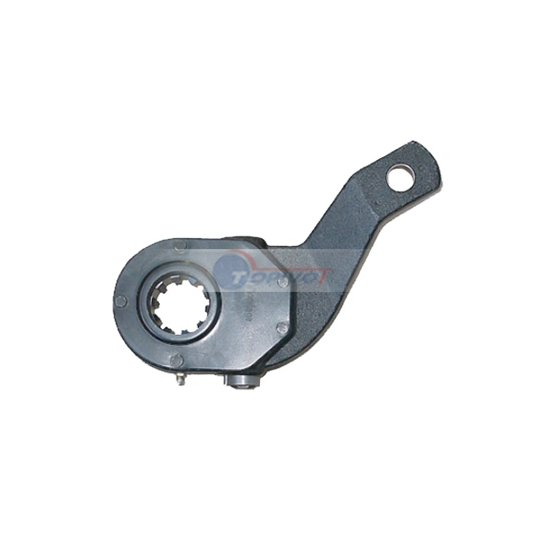
يعتمد نظام فرامل الهواء على تسلسل ميكانيكي دقيق. تعمل منظمات الخلوص كأذرع تربط قضيب الدفع في حجرة الفرامل بعمود الكامة S. عندما يدفع الهواء المضغوط القضيب للخارج، يدير منظم الخلوص عمود الكامة S. يؤدي هذا الدوران إلى تباعد بطانات الفرامل على الأسطوانة، محولاً الحركة الخطية إلى قوة دورانية توقف سيارتك.
تتبع العملية سلسلة واضحة:
يمتد قضيب دفع حجرة الفرامل بشكل خطي عند تطبيق ضغط الهواء.
يربط مسمار التثبيت قضيب الدفع هذا بجهاز ضبط الارتخاء.
يؤدي امتداد قضيب الدفع إلى تحريك ذراع ضبط الارتخاء.
يقوم منظم الارتخاء، المتصل بعمود الكامات، بتدوير هذا العمود.
يقوم عمود الكامات بتدوير الكامة على شكل حرف S.
تقوم كامة S بدفع بطانات الفرامل للخارج باتجاه الأسطوانة، مما يولد قوة كبح.
يضمن الضبط الصحيح أن يوفر هذا التسلسل أفضل قوة دفع. عند ضبط شوط ذراع الدفع بشكل صحيح، تعمل المكابح بشكل أسرع وأكثر فعالية.
ينتج عن تشغيل الفرامل بشكل صحيح تقليل مسافة التوقف.
تتطلب جميع أدوات ضبط الارتخاء اليدوية نفس العناية الأساسية. استخدم أداة ضبط الارتخاء لضبطها بشكل صحيح.
يؤدي إهمال ضبط الفرامل إلى ظروف خطيرة. تزداد مسافة التوقف، خاصةً عند حمل أحمال ثقيلة. كما أن أي خلل في ضبط الفرامل، سواءً كان عالقًا أو غير متزامن، يُعطّل عملية الكبح بأكملها.
يُعد عدم توازن الفرامل من بين الأسباب الأكثر شيوعاً لانقلاب السيارة.
تشمل عواقب عدم التوازن ما يلي:
قد يؤدي هذا الخلل إلى حادث متعلق بالفرامل كان من الممكن تجنبه. تُساهم مشاكل الفرامل سنويًا بنسبة كبيرة من حوادث المركبات التجارية. هذه الممارسة تحمي سجل امتثالك. يتحقق مفتشو وزارة النقل من شوط ذراع الدفع أثناء عمليات التفتيش على الطرق، وتؤدي المخالفات إلى غرامات وأوامر إيقاف الخدمة.
عندما تفهم آلية عمل منظمات شد الشدّ وماذا يحدث عند تعطلها، ستدرك أهمية هذه الأداة البسيطة. فالضبط المنتظم يحافظ على جاهزية سيارتك للطريق، ويحمي سلامتك وسلامة جميع مستخدمي الطريق.
تبدو أداة ضبط الخلوص بسيطة للوهلة الأولى، إلا أن تصميمها ينطوي على خيارات هندسية مدروسة. تتميز معظم الإصدارات بنهاية صندوقية قياس 9/16 بوصة تتناسب مع صامولة الضبط في أدوات ضبط الخلوص اليدوية. يتوافق هذا القياس مع الصامولة القياسية الموجودة في أنظمة فرامل الشاحنات الثقيلة.
تتميز الأدوات عالية الجودة بعدة خصائص تصميمية:
مفتاح ربط بمقاس 9/16 بوصة يوفر تثبيتًا محكمًا مع صامولة الضبط
شكل سداسي أعمق يصل إلى أدوات الضبط الغائرة في بعض تكوينات الحجرة
مقبض فينيل مقاوم للانزلاق ويحمي رأس السقاطة أثناء الدوران القوي
يُعدّ عمق مفتاح الربط السداسي أكثر أهمية مما تتوقع. فالعديد من أدوات الضبط تكون غائرة داخل التركيب، مما يترك مساحة محدودة للمقابس القياسية. أما النسخة ذات العمق الإضافي فتُتيح الوصول إلى تلك المساحات الضيقة دون الحاجة إلى تفكيك المكونات المحيطة.
يؤثر طول المقبض بشكل مباشر على قدرتك على تدوير صامولة الضبط العنيدة. توفر الشركات المصنعة أطوالًا مختلفة لتناسب مختلف الحالات. يوضح الجدول أدناه الاختلافات الشائعة:
|
مصدر |
طول المقبض |
حجم محرك الأقراص |
ميزة التصميم |
|---|---|---|---|
|
كورنويل RB7578 |
طويل جدًا |
7/16" |
يتغلب على آلية منع الانعكاس |
|
كورنويل RB8569 |
طويل جدًا |
9/16" |
سداسي عميق للغاية لأدوات الضبط الغائرة |
|
Apexinds ATCL-7578 |
14.5 بوصة |
7/16" |
تحسين مستوى الرفع والراحة |
An extra-long handle gives you greater torque without requiring excessive force. This proves essential when you encounter an anti-reverse mechanism that resists backward rotation. The added length also reduces hand fatigue during repeated adjustments across multiple axles.
Selecting the correct tool requires matching its specifications to your specific hardware. Common manual slack adjusters use the standard 9/16-inch adjusting nut, so a quality tool with that drive size serves most applications.
Durability stands as your primary consideration. A professional-grade tool undergoes repeated use in harsh environments where grease, dirt, and moisture accumulate. Look for chrome vanadium steel construction or equivalent alloys that resist bending and cracking under high torque loads.
Grip quality affects both safety and comfort. A vinyl-coated handle provides slip resistance even when your hands carry grease from previous work. This coating also protects the ratchet head from impact damage if you accidentally drop the tool.
Brand reputation matters for professional use. Various manufacturers produce slack adjuster adjusting tools designed specifically for heavy-duty truck maintenance. Their products incorporate the deeper hex profile and reinforced handles that mechanics need for daily use.
Consider purchasing multiple tools with different handle lengths. A compact version serves quick adjustments in accessible locations, while an extra-long version handles stubborn nuts or recessed adjusters. This approach ensures you always have the right tool for the job.
Your investment in this tool remains modest compared to the cost of system failure. Choose wisely, and the tool will serve you reliably for years.
Before you touch any hardware, proper preparation protects you and ensures accurate results. Park the vehicle on a flat, level surface. Place wheel chocks securely under the tires on at least one axle that will not be adjusted. This step prevents the vehicle from rolling when you release the parking brakes.
Follow this sequence to prepare the vehicle safely:
Turn off the engine and confirm the air system is fully charged to at least 90 PSI.
Release the parking brake fully by pushing in the yellow diamond-shaped valve on the dash.
Allow brake drums and hardware to cool down if the vehicle has been driven recently, as they become extremely hot.
Wear gloves and eye protection to avoid contact with brake dust, which may contain hazardous materials.
Never work under a vehicle supported only by a floor jack; use approved jack stands rated for the vehicle weight.
Do not allow a second person to apply the brake pedal while someone has hands near the brake assembly linkage; establish clear communication signals before conducting stroke tests.
The slack adjuster itself sits as a mechanical lever connecting the brake chamber's push rod to the S-cam shaft. You will find it physically attached to the brake chamber, acting as the intermediary that transfers the push rod's force to the S-cam mechanism. On most heavy-duty trucks, you can reach it through the wheel opening without removing the tire.
Once you have located the slack adjuster on the brake chamber, you can begin the adjustment process. Your slack adjuster adjusting tool fits the 9/16-inch adjusting nut on themanual slack adjuster. Common manual slack adjusters use this standard configuration.
Follow these steps to achieve the correct pushrod stroke:
Build air pressure to 90–100 PSI on both primary and secondary gauges, then turn the engine off.
With brakes fully released, mark the pushrod where it exits the brake chamber using chalk, paint marker, or tape. This mark serves as your zero point.
To decrease pushrod stroke, turn the adjusting nut so the S-cam rotates in the same direction as it does during a brake application. This direction mimics the push rod extending out of the brake chamber.
Turn the nut until it feels snug, then back it off slightly to achieve the correct pushrod stroke.
Fully apply and hold the brakes. The pushrod extends from the chamber.
Measure the distance from the reference mark to the new pushrod position while brakes remain held.
Compare your measurement to the regulation stroke limit for your specific chamber type, then repeat at every wheel end.
The verification procedure demands a full brake application at 90 psi. Visual inspection of the slack adjuster position does not meet federal inspection standards. The resulting stroke must fall within the legal limits specified in 49 CFR 393.47, which vary by chamber type and size. If the measured stroke remains above the limit, repeat the adjustment cycle by tightening slightly further and backing off the same increment, then re-measure.
Regular adjustment of your manual slack adjusters ensures consistent braking performance across all wheel positions. Proper adjustments reduce uneven wear and extend the service life of your brake components. When you perform this task correctly, you maintain compliance with federal safety standards and protect everyone on the road.
Your Slack Adjuster Adjusting Tool works in harsh conditions. Grease, road grime, and metal dust accumulate on its surface after each use. This buildup can hide developing damage and interfere with the tool's grip on the adjusting nut. Clean the tool thoroughly after every brake adjustment session.
Wipe the entire tool with a clean, lint-free cloth to remove surface debris. For stubborn buildup, use a solvent-based degreaser and a stiff brush. Pay special attention to the box-end opening where the tool engages the adjusting nut. Dirt packed into this area prevents proper seating and can round off the nut's corners.
Apply a light coat of oil after cleaning. A few drops of general-purpose machine oil on the tool's surface prevents rust formation. Work the oil into the box-end opening and any moving parts if your tool features a ratcheting mechanism. This simple lubrication step extends the tool's service life considerably.
Proper maintenance of your tools directly supports effective preventive maintenance for your vehicle's braking system. A clean, well-lubricated tool allows you to perform precise adjustment procedures without slipping or binding. This accuracy matters when you work on various manual slack adjusters.
Regular inspection of your adjusting tool prevents failures at critical moments. Examine the tool before each use and conduct a more thorough inspection monthly. Look for cracks in the handle, especially near the head where stress concentrates during forceful turns.
Check the box-end opening for signs of stretching or rounding. A worn opening fails to grip the adjusting nut securely, increasing the risk of slipping and damaging the nut. Compare the opening against a new tool or a known-good 9/16-inch socket to detect subtle wear.
Inspect the handle for bending or distortion. A bent handle indicates the tool has experienced excessive force beyond its design limits. This condition weakens the metal and may lead to sudden fracture during future use. Replace any tool that shows visible bending.
Examine vinyl grips or coatings for tears or separation. Damaged grips reduce your control and expose the underlying metal to moisture. Replace the tool if the grip deterioration compromises your hold.
Your inspection routine should also verify the tool's compatibility with your specific hardware. Different slack adjuster models may position the adjusting nut at varying depths. Confirm your tool reaches the nut properly on each vehicle configuration you service.
استبدل أي أداة لا تجتاز الفحص. إن التكلفة البسيطة لأداة ضبط الخلوص الجديدة تفوق بكثير عواقب أي عطل قد يحدث أثناء عملية الضبط. فالأداة المكسورة أثناء صيانة الفرامل تُشكل مخاطر على السلامة وتؤخر جدول الصيانة. خزّن أدواتك في صندوق أدوات جاف، بعيدًا عن المكونات الثقيلة التي قد تتضرر عند الاصطدام. هذه الطريقة في التخزين، بالإضافة إلى التنظيف والفحص المنتظمين، تُبقي معداتك جاهزة للعمل بكفاءة.
تضمن أداة ضبط الخلوص الحفاظ على شوط قضيب الدفع الصحيح ضمن الحدود المسموح بها. يؤثر هذا الضبط بشكل مباشر على أداء الفرامل وسجل السلامة. الصيانة الدورية تمنع توقفات التشغيل المكلفة ومخالفات الطرق.
تتطلب لوائح وزارة النقل الأمريكية إجراء فحوصات امتثال محددة:
تدرب على استخدام أداتك مع مختلف أجهزة ضبط الارتخاء اليدوية. استثمر في معدات عالية الجودة من شركات مصنعة موثوقة لضمان نتائج موثوقة. أدرج فحوصات دورية لأجهزة ضبط الارتخاء ضمن بروتوكولات السلامة الخاصة بك اليوم. هذه العادة البسيطة تمنع الحوادث، وتحمي الأرواح، وتضمن استمرار تشغيل أسطولك دون انقطاع.
تأكد من فحص مُعدِّلات الخلوص اليدوية أثناء فحص الفرامل. يجب قياس شوط قضيب الدفع خلال عمليات الفحص للامتثال للوائح الفيدرالية. تمنع الفحوصات الدورية حدوث مخالفات تستدعي إيقاف الخدمة.
تقوم أداة ضبط الخلوص بضبط شوط قضيب الدفع إلى القيمة الصحيحة وفقًا للحدود التنظيمية المحددة. قم بالقياس أثناء كل فحص. تستخدم العديد من أدوات ضبط الخلوص اليدوية هذا المعيار.
تحقق من منظمات الخلوص أثناء عمليات الفحص بعد الرحلة للتأكد من عدم وجود حركة زائدة لقضبان الدفع. استمع جيدًا لأي أصوات غير معتادة من الفرامل. قم بإجراء فحص بصري شامل عند كل طرف من أطراف العجلات.
المسح الضوئي إلى wechat